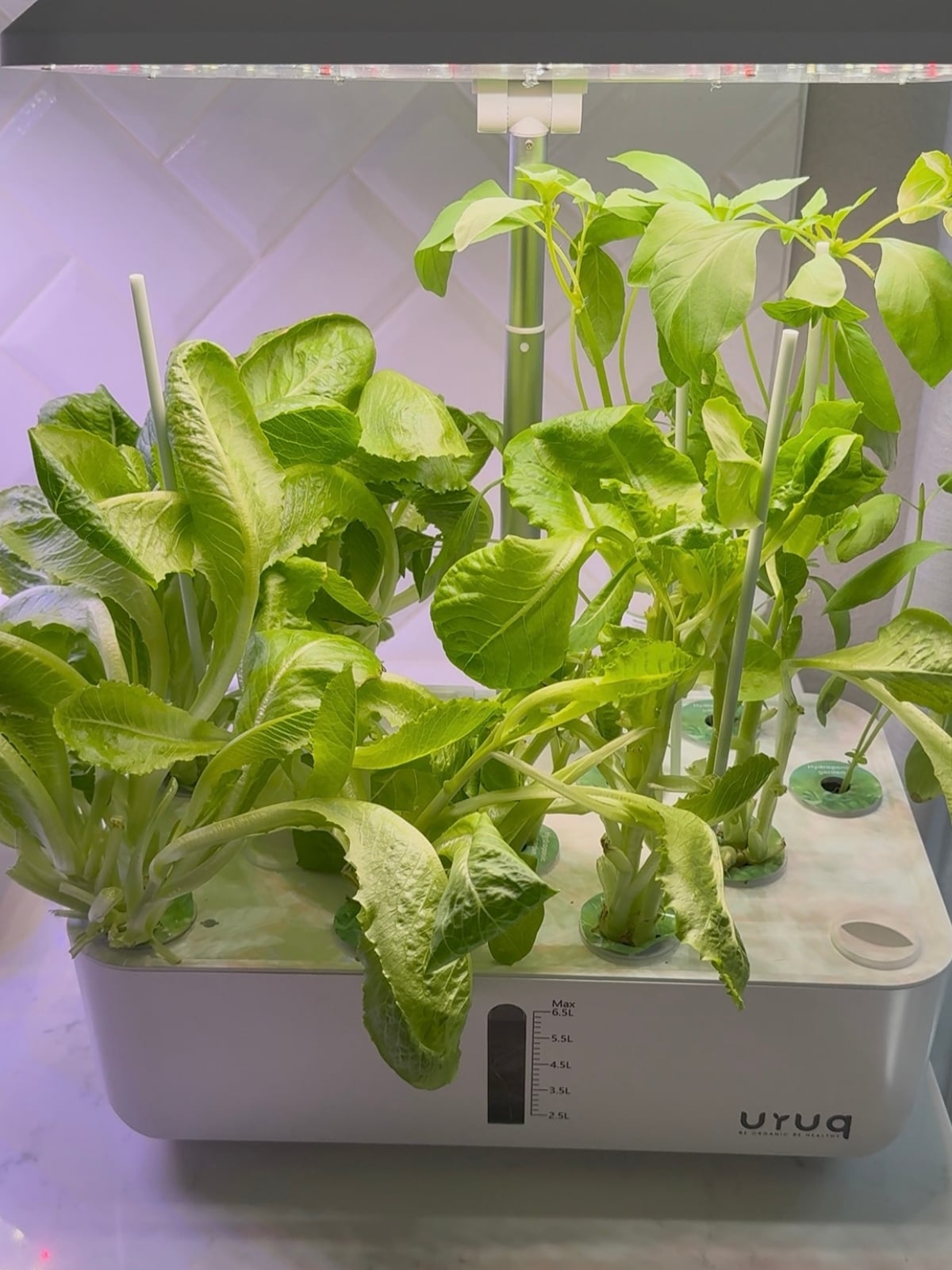


Learn how to grow fresh food indoors! Here are 6 easy tips for a kitchen hydroponic garden, including the best vegetables to grow for beginners.
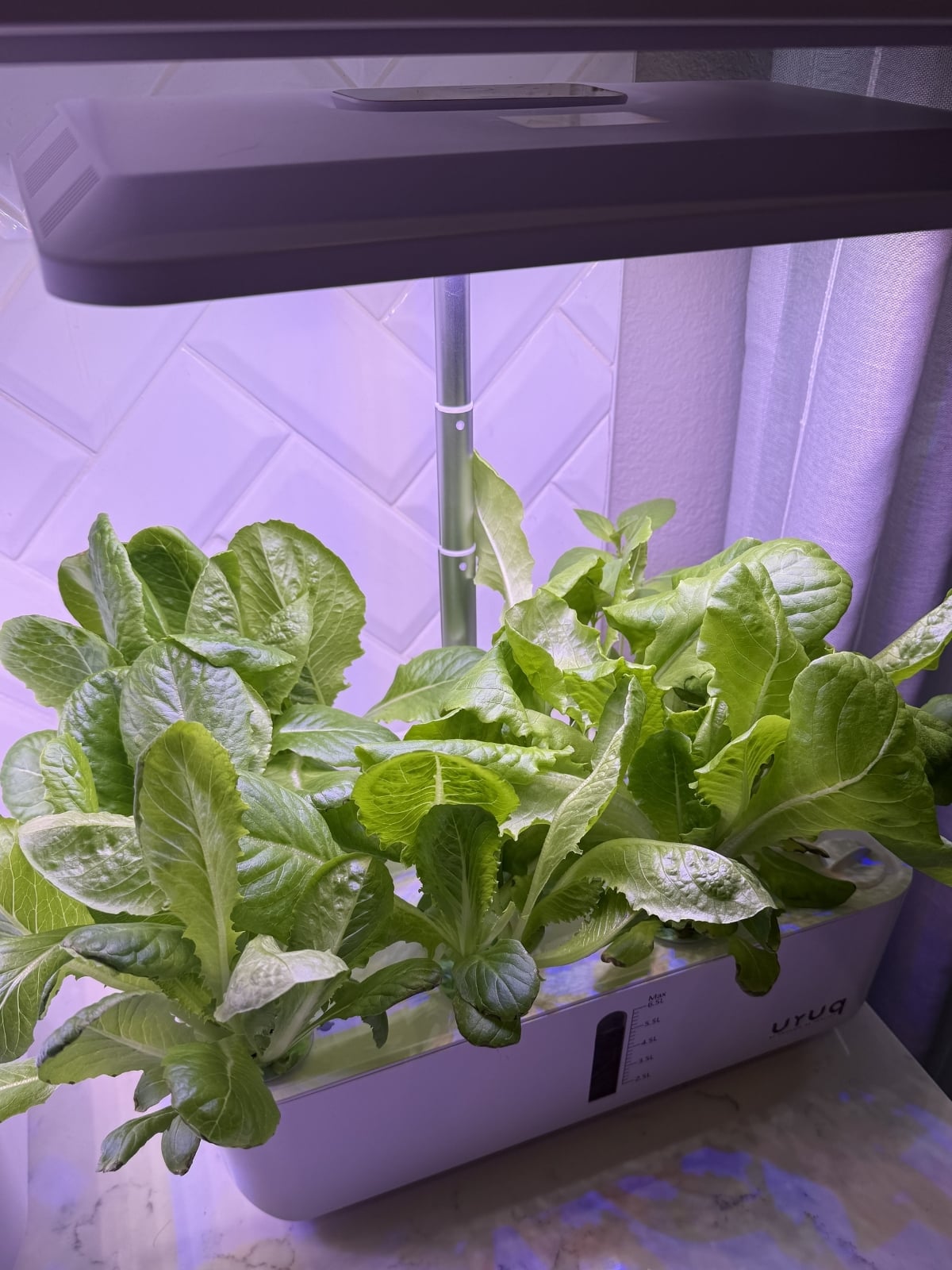
How to Start a Hydroponic Garden in Your Kitchen – 6 Simple Tips
Growing your own food doesn’t require a backyard or a green thumb. If you’ve ever wanted to grow and pluck fresh basil for a pasta dish or crisp romaine for a salad without leaving your kitchen, a hydroponic system is an easy and fun solution.
Hydroponics is growing plants in water rather than soil. It is clean, efficient, and perfect for small spaces.
Whether you are a seasoned gardener or a beginner, here are six easy tips to help you successfully start your first kitchen hydroponic garden.
1. Find a System That Fits Your Space
The first step is selecting the right tools. Modern indoor hydroponic systems come in all shapes and sizes, from sleek countertop units to vertical towers. Before purchasing, measure your intended space. You want a system that is accessible enough for harvesting, but out of the way of your daily meal prep.
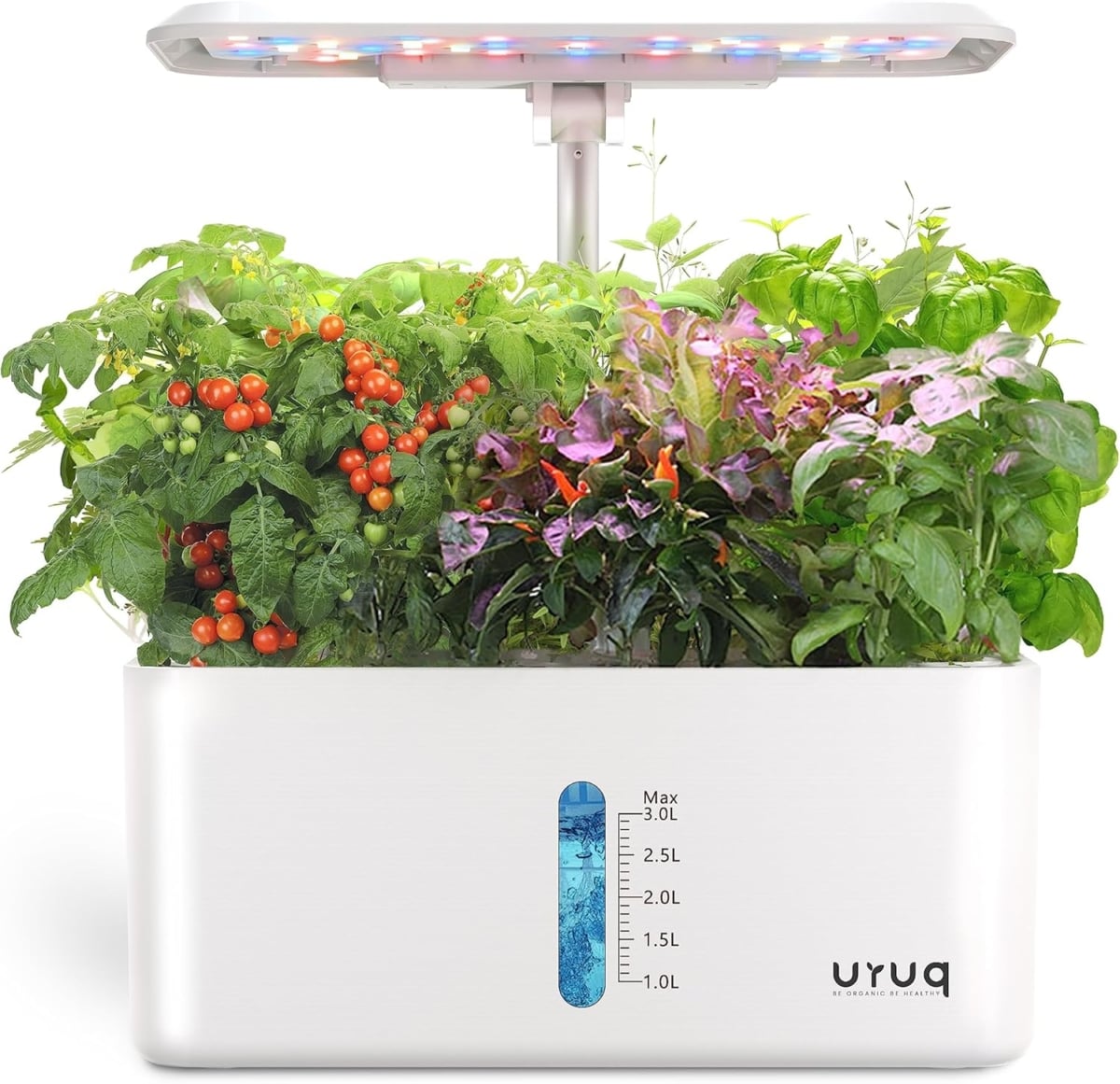
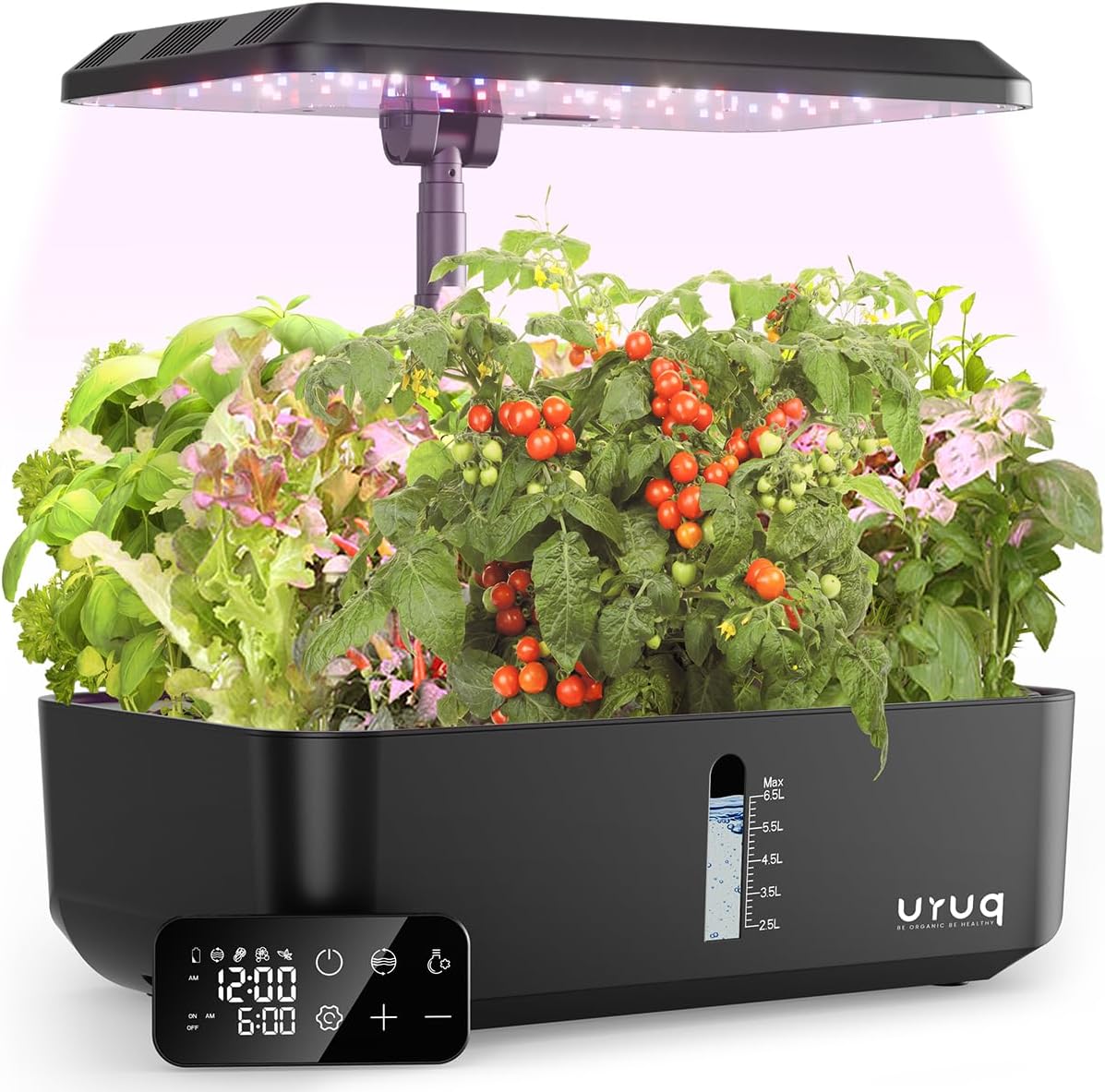
MUST KNOW TIP: Look for a model that features built-in LED grow lights and an automatic timer. This is a game-changer for anyone with a busy lifestyle or a love for travel. An automated system ensures your plants receive the exact amount of sunlight they need, allowing you to head out for a long weekend without worrying.
Here’s what I’ve been using and I love it! This system is affordable and small enough to add more than one in your home as your garden grows.
2. Start with the Best Vegetables for Indoor Hydroponics
When you’re first starting out, success is the best motivator. Not all vegetables thrive equally in a compact indoor environment, so it is best to stick with the all-stars of hydroponics.
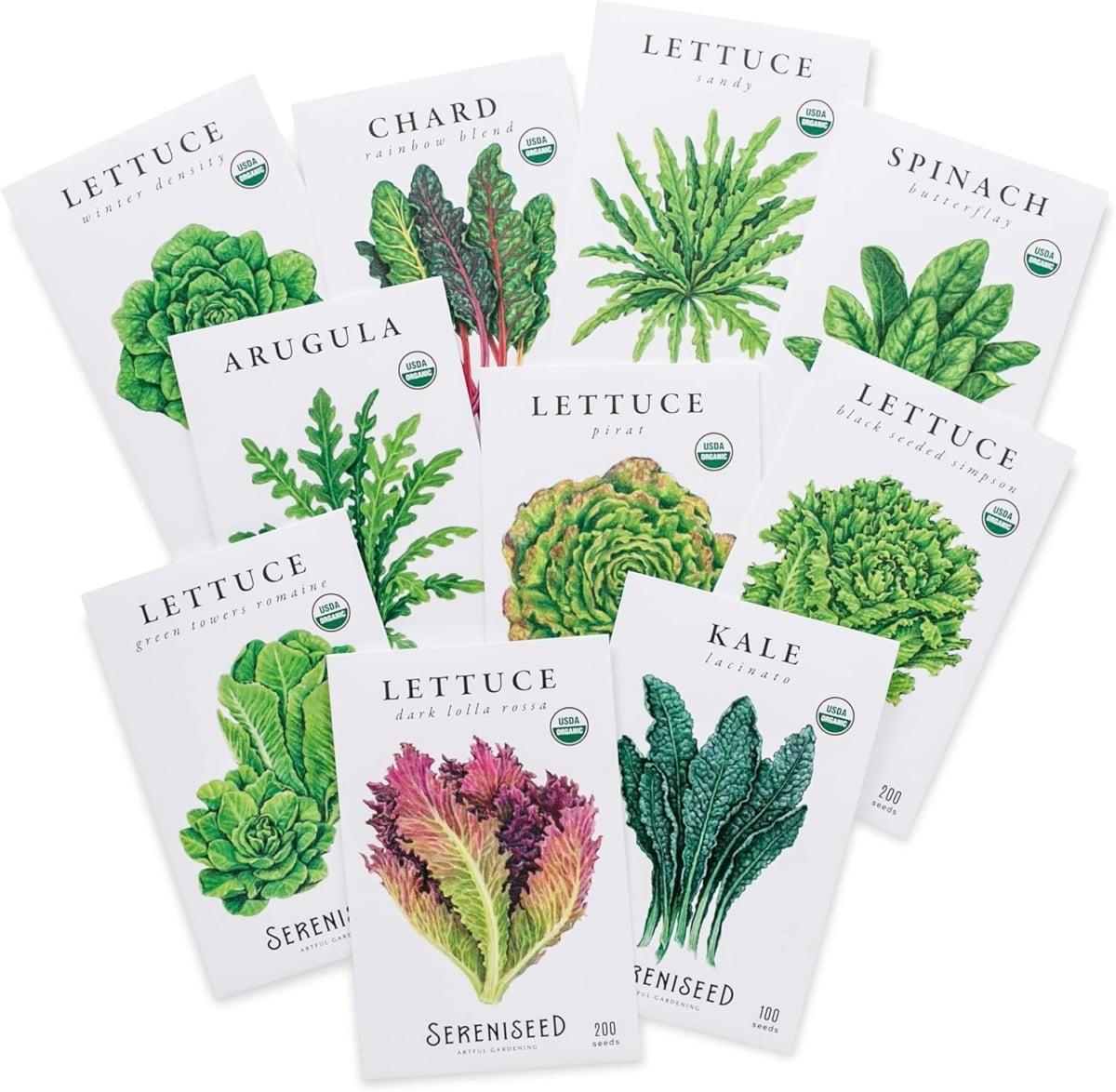
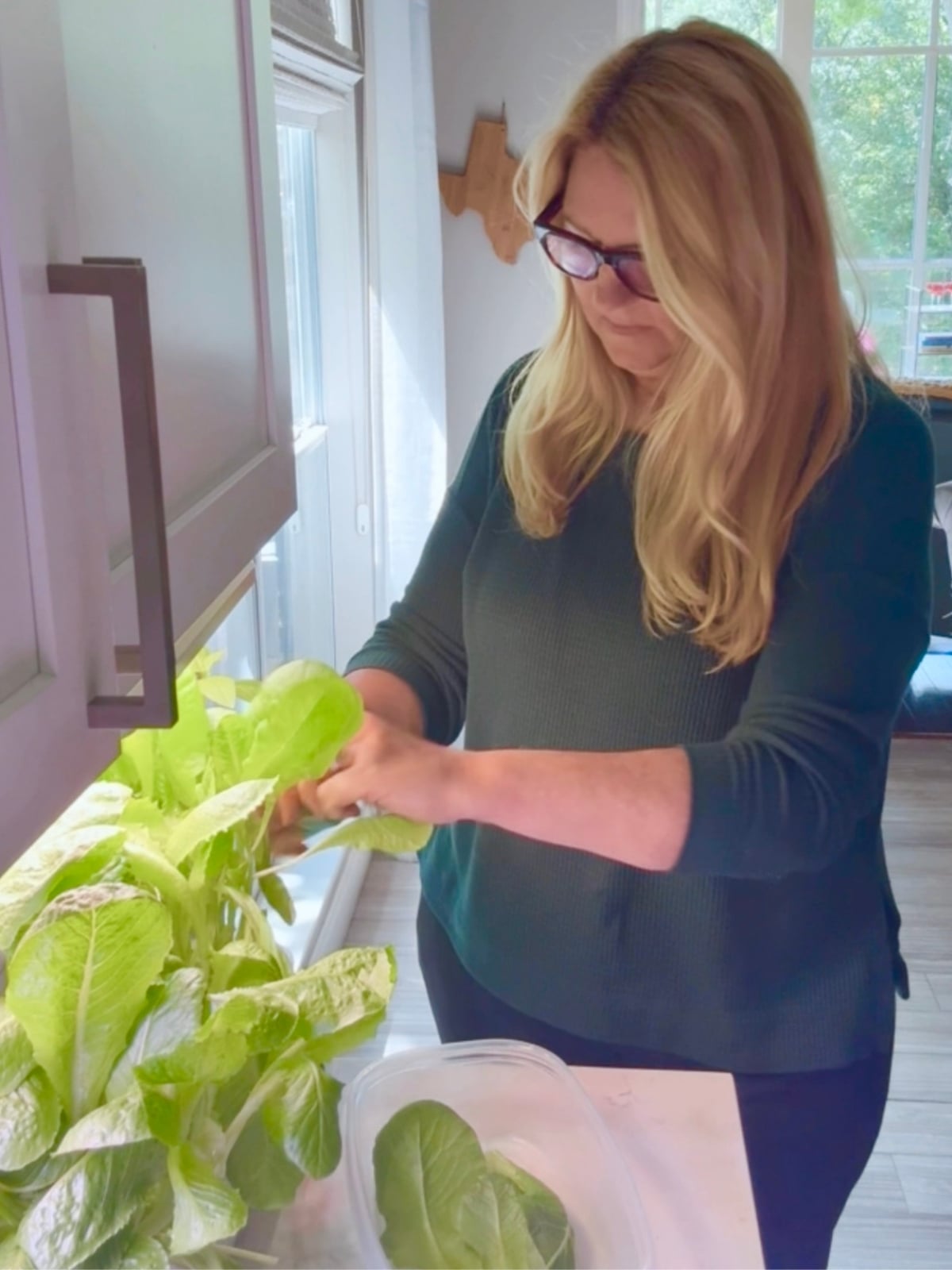
Lettuce: Lettuce is the best bet for beginners. It grows quickly and requires minimal maintenance. My favorites are Romaine, Winter Density and Arugula. They are hardy and produce beautiful, crunchy leaves.
Herbs: Beyond greens, herbs like Basil, Parsley, Dill and Mint are incredibly easy to grow as well.
Kale: Specifically, look for Dwarf Blue Curled Kale. It grows upright and doesn’t spread out too far, making it perfect for smaller systems.
Tomatoes: For those wanting a bit of color, Tiny Tim Tomatoes are a fantastic dwarf variety that provides a sweet harvest without taking over your kitchen.
Jalapeños: If you like a little heat, look for “Spice” or “Dwarf” varieties. They are very prolific and can be harvested all year round.
Bok Choy: Bok Choy is fantastic because it stays compact and has a satisfying crunch.
Mustard Greens or Broccoli Sprouts: You can harvest these in as little as 7 to 10 days.
Want to save this for later?

3. Know What to Skip
Part of a stress-free gardening experience is knowing what to avoid. Some plants are difficult in small water-based systems.
Spinach: You can try to grow spinach, but it often struggles with germination and temperature fluctuations indoors. I couldn’t get my seeds to sprout due to mold.
Bush Beans: While they grow well, they take up a lot of space and provide a relatively low yield per square foot compared to leafy greens or herbs.
Strawberries: I’d love to grow strawberries, but I’ve read they are extremely hard to grow in a hydroponic garden.
Onions and Garlic: These can be grown for their green tops, but developing a full, dry bulb is difficult and usually results in a waterlogged product.
4. Know What To Grow Together
Group for success! Your kitchen garden thrives best when you pair friendly plants that share the same light and nutrient needs. Here are a few suggestions on what to grow together:
The Salad Bowl: Lettuce, Arugula, Bok Choy, Mustard Greens. All grow at similar heights and love the same mild nutrient levels.
The Salsa Tray: Tiny Tim Tomatoes and Jalapeños need high nutrients and plenty of light to produce fruit.
The Herb Garden: Basil and Parsley. You could also add dill, but will need to prune the dill often.
Mint is great, but has an incredibly aggressive root system and roots can quickly tangle around the roots of slower growers. If possible, put mint in its own dedicated system.
5. Monitor the Growth of Your Seeds
In a hydroponic environment, moisture is constant. While this is great for growth, it can occasionally lead to mold if a seed fails to germinate. Make it a habit to inspect your pods or seed sites during the first week.
If you notice seeds that have not sprouted or see any fuzzy white growth, remove the moldy seeds immediately. This prevents the spread of fungi to your healthy sprouts and keeps your water system clean.
6. Keep the Water & Nutrients Flowing
Since there is no soil to provide minerals, your plants rely entirely on the water you provide. Most systems come with a liquid plant food. Follow the instructions closely, usually adding nutrients every two weeks. Using filtered water can also help prevent mineral buildup in the pump.
By starting small and choosing the right technology, you can turn your kitchen into a lush, edible garden. There is nothing quite like the satisfaction of a farm-to-table meal where the farm is only three feet away from your stove!